Body Contouring in Michigan: What Results Can You Expect?
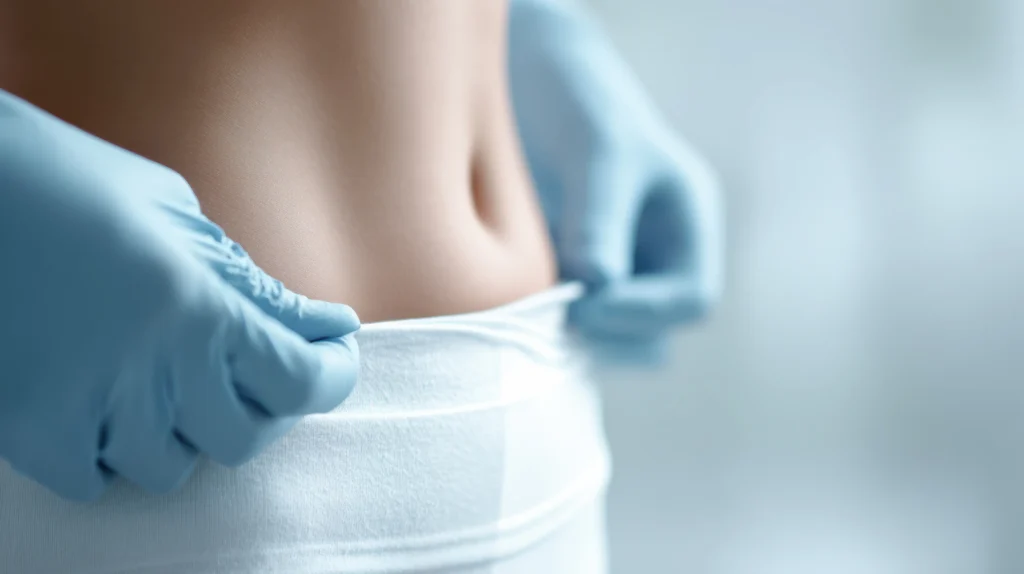

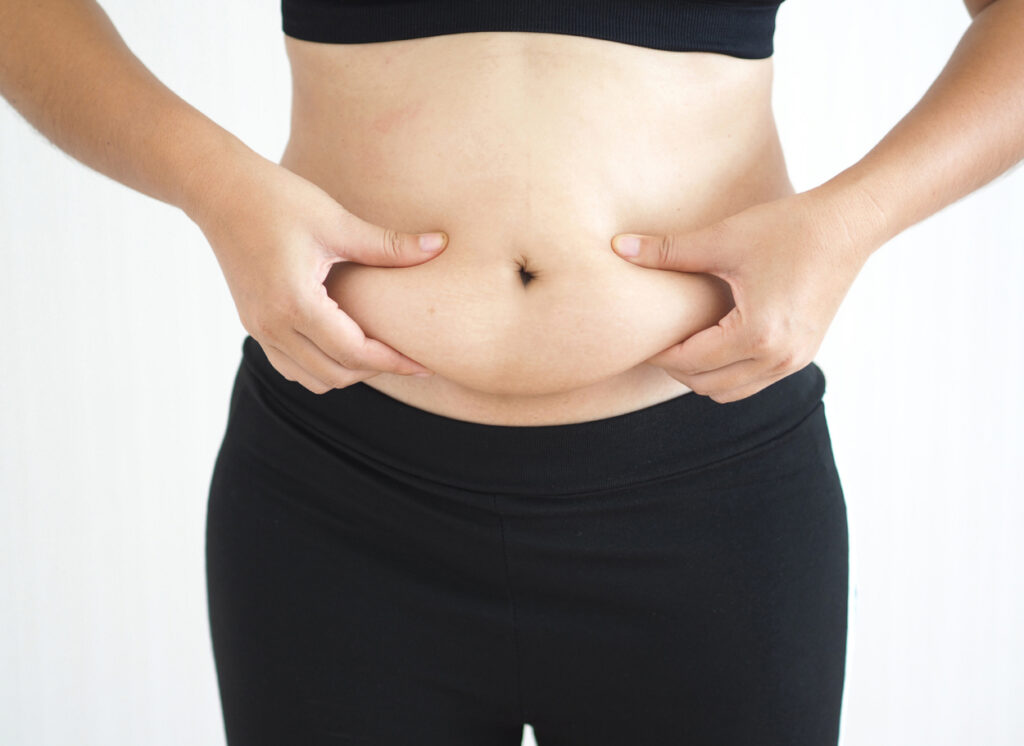
If you are considering body contouring in Michigan, the first question is usually not about technology. It is about results. People want to know what will actually change, how noticeable those changes will be, how long they will take, and whether the investment will feel worthwhile when they look in the mirror six months later.
That is the right place to start, because body contouring can produce meaningful improvement, but it is often misunderstood. Some patients expect a dramatic weight-loss effect. Others assume every treated area will snap into a perfectly sculpted shape. Real outcomes tend to sit somewhere between marketing promises and skeptical guesswork. The best results are often subtle at first, then increasingly apparent as swelling resolves, collagen remodeling develops, or the body clears away treated fat over time.
In Michigan, where seasons change wardrobes and body image concerns tend to shift with them, body contouring consultations often follow a familiar pattern. Someone has lost weight but still sees fullness in the lower abdomen. Someone else is in good shape but cannot seem to slim the flanks. A new mother wants her waist to look more like it did before pregnancy. Another patient is less concerned with fat than with loose skin on the arms or around the midsection. These are not all the same problem, and the expected result depends heavily on which issue is actually being treated.
What body contouring really means
Body contouring is a broad term. It can refer to non-surgical treatments that reduce small fat deposits, improve skin tone, or tighten lax tissue. It can also refer to surgical procedures that remove fat, trim excess skin, and reshape the body more dramatically. The phrase sounds simple, but the category includes very different tools with very different limits.
That distinction matters because the expected result from a non-invasive fat-reduction treatment is not the same as the expected result from liposuction, and neither of those is the same as a tummy tuck or body lift. Patients sometimes come in saying they want “body contouring” when what they really want is one of three things: to be smaller in a specific area, to be tighter in a specific area, or to restore shape that changed after weight loss, aging, or pregnancy. Once the goal is clarified, expectations become much easier to set.
In everyday practice, most people asking about body contouring are not looking to transform their entire body. They want improvement in one or two stubborn areas. That might be the lower abdomen, love handles, inner thighs, upper arms, back rolls, or under the chin. When the issue is modest localized fat and the skin still has decent elasticity, the results can be very satisfying. When the issue is significant loose skin, muscle separation, or a large amount of tissue excess, less invasive approaches tend to disappoint.
The biggest factor in your result is not the machine, it is your starting point
This is where experienced judgment matters. The best candidates for body contouring are usually already fairly close to a stable, maintainable weight. They may eat well, exercise regularly, and still have a few areas that do not respond the way they would like. Those patients often do quite well because body contouring is being used as a refinement tool, not as a substitute for weight management.
A patient who is 10 to 20 pounds from their personal goal, with firm skin and a well-defined problem area, often gets a more visible result than a patient seeking an all-over reduction. That can feel unfair, but it reflects how these treatments work. Most contouring procedures remove or reduce volume in targeted zones. They do not address every variable at once.
Skin quality is another major predictor. If the skin has enough elasticity to contract after volume is reduced, the area tends to look smoother and more shapely. If the skin is thin, stretched, or marked by substantial laxity, volume reduction alone may make looseness more apparent. This is particularly common after pregnancy or major weight loss. Patients are often surprised to learn that fat is not always the main issue. Sometimes the real limiting factor is skin.
Age plays a role, though not in a simplistic way. A healthy 55-year-old with strong skin tone can heal and respond beautifully. A younger patient with significant weight fluctuations may have more tissue laxity than expected. Lifestyle matters too. Smoking, poorly controlled diabetes, unstable weight, and inconsistent aftercare all affect results.
Non-surgical body contouring in Michigan: what change is realistic?
Non-surgical body contouring has become popular because it usually involves little downtime and lower upfront commitment than surgery. These treatments may use cooling, heat, radiofrequency, ultrasound, or similar mechanisms to reduce fat or tighten skin. Their appeal is obvious, especially for busy adults who do not want surgery or cannot take extended time off.
The most realistic expectation is improvement, not overhaul.
For fat reduction, patients often see gradual slimming in a treated area over several weeks to a few months. The change may be enough to smooth a bulge, improve how clothing fits, or make the waist look more balanced. It is rarely the kind of result that makes friends assume you lost 30 pounds. A better way to think about it is this: the contour looks cleaner. The area looks less prominent. The silhouette changes more than the scale.
Some providers describe expected reduction in percentages rather than inches, because the response varies by body area and by person. That is sensible. One patient may notice a visible difference after a single treatment. Another may need a series of sessions to reach a similar level of change. Midsections, flanks, and under-chin areas often respond differently from thighs or upper arms.
For skin tightening, the improvement is usually even more gradual. Early changes may come from temporary swelling or tissue contraction, but the more meaningful shift often depends on collagen remodeling, which takes time. Patients who benefit most are typically those with mild to moderate laxity, not pronounced loose skin. In that group, the result can be quite rewarding: a firmer lower face, smoother upper arms, a tighter-looking abdomen, or less crepey texture above the knees. The keyword is tighter-looking. Non-surgical tightening can refine tissue quality, but it does not remove excess skin.
Michigan patients sometimes time these treatments around the calendar. It is common to start in the fall or winter when layered clothing makes the gradual phase easier to ignore, then assess results by spring. That timing makes practical sense. You are less likely to feel impatient when your target date is several months away.
Surgical body contouring: stronger results, higher commitment
Surgical body contouring generally produces more dramatic and predictable visible change than non-surgical options. Liposuction can remove localized fat more efficiently. Abdominoplasty can address loose abdominal skin and, in many cases, repair separated muscles. Arm lifts, thigh lifts, breast procedures, and lower body lifts can reshape areas that non-invasive treatments simply cannot fix.
The trade-off is greater recovery, more expense, and the reality of scars. Those scars are often well worth it for the right patient, but they should never be treated as an afterthought.
Liposuction works best when there is enough skin elasticity for the tissue to redrape after fat removal. Patients often expect the area to become perfectly smooth, but some irregularity can occur, especially if the skin quality is weak or the starting tissue is uneven. Good surgical planning minimizes that risk, though perfection is not a credible promise.
A tummy tuck often delivers one of the most satisfying changes in body contouring because it addresses several concerns at once. The lower abdomen becomes flatter, excess skin is removed, and the waist may appear more defined. For postpartum patients or people after weight loss, this can restore body proportion in a way no external treatment can match. At the same time, recovery is real. Standing fully upright may take time. Swelling can linger. The final result emerges in stages, not all at once.
People asking about body contouring in Michigan often want to know whether winter is a better season for surgery. From a practical standpoint, many patients find it easier to recover when they are not trying to spend every weekend at the beach or in summer events. Compression garments, reduced activity, and temporary swelling are simply easier to manage in colder months. That is not a medical requirement, but it does affect comfort and patience.
What most patients notice first
The earliest visible result is not always the result they keep.
After non-surgical fat reduction, the first few days may bring temporary fullness, tenderness, numbness, or swelling. That can make the area look unchanged or even slightly worse before it improves. Then, over the next several weeks, the contour gradually starts to refine. Patients often describe the moment of recognition in ordinary terms: jeans button more easily, a fitted dress sits better at the waist, the side view looks cleaner in the mirror.
After surgery, early shape changes are more obvious, but swelling can blur the final effect for much longer than people expect. The abdomen may look flatter right away after a tummy tuck, but not truly polished for months. Liposuction results also mature over time. What looks good at six weeks can look substantially better at three to six months.
This delayed refinement is one reason expectations need to be anchored in the full healing timeline. An experienced surgeon or aesthetic provider will usually caution against judging the outcome too early. That is not an excuse. It is simply how tissue recovery works.
Areas that tend to respond well, and areas that require more caution
Some treatment zones are reliably rewarding when chosen well. The flanks often contour nicely. The lower abdomen can improve meaningfully if the issue is localized fat rather than loose skin. Under the chin is another area where even small reductions can change overall appearance. Upper arms may improve, though skin tone becomes especially important there.
Other areas require more caution. Inner thighs can be stubborn and are prone to skin-quality limitations. Bra-line or upper-back fullness may improve, but the exact visible change depends on posture, bra fit, skin thickness, and how the tissue distributes when the arms move. The outer thigh and hip area can also be tricky because over-reduction can create imbalance rather than beauty.
A seasoned clinician spends less time selling a body part and more time explaining how that body part behaves. That is often the difference between a good consultation and a sales pitch.
Results are easier to like when your goal is specific
Patients who are happiest after body contouring usually ask focused questions. They want their lower belly to protrude less in leggings. They want a cleaner jawline in photos. They want the sides of the waist to fit jackets better. These are measurable, lived-in goals.
The least satisfied patients are often pursuing a more emotional, less defined target such as “I want my whole body to look completely different.” Body contouring can support confidence, but it does not resolve every frustration a person has with their appearance. If the goal shifts every time one area improves, satisfaction becomes hard to reach.
A consultation should translate broad hopes into concrete expectations. That may sound like: you will likely see modest fat reduction here, some skin tightening here, but this fold will not disappear without surgery. Honest language protects both the patient and the provider.
Questions worth asking before you commit
A strong consultation should leave you with a clear picture of both the upside and the limits. If it does not, keep asking until it does. Helpful questions include:
- Am I treating fat, skin laxity, muscle separation, or more than one issue?
- What degree of change is typical for someone with my starting anatomy?
- How many treatments or what kind of recovery should I realistically expect?
- When will I know whether the result is final?
- If this underperforms, what would the next step be?
Those questions usually lead to a much better conversation than asking for the “best” treatment by name.
Michigan-specific considerations that can affect your experience
Michigan is not medically unique in the sense that bodies heal differently here, but local lifestyle patterns do shape the patient experience. Seasonal changes influence scheduling. Many people prefer procedures in late fall through early spring, especially when compression garments, restricted activity, or healing incisions are part of the process. Summer is still possible, of course, but it can feel less convenient if you spend time outdoors, travel often, or wear lighter clothing that reveals post-treatment swelling.
Skin tone and sun exposure also matter. Freshly treated skin, especially after surgery or energy-based procedures, benefits from careful sun protection. In Michigan winters, that may be easier to manage because people are more covered up. Then again, the dry indoor heat of winter can irritate skin, so aftercare may need more attention to hydration and barrier support.
Travel distance is another practical point. In some https://beaudojp177.almoheet-travel.com/body-contouring-in-michigan-safety-tips-for-first-time-patients parts of Michigan, patients drive a significant distance for a consultation or procedure. That can be manageable for non-surgical appointments, but it requires planning if you are undergoing surgery and need follow-up visits. It is wise to consider logistics before choosing a provider based solely on social media photos.
How long do results last?
This depends on the type of body contouring and what happens after treatment.
When fat cells are removed or destroyed, the reduction in those specific cells is long-lasting. That does not mean the body can never regain fat. Remaining fat cells can still enlarge if weight increases. In practical terms, a stable weight helps preserve the contour. A major weight swing can soften or distort the result.
Skin tightening results can also last, but aging continues. Gravity continues. Hormonal changes, pregnancy, menopause, and changes in fitness all affect tissue over time. Surgery generally provides the longest-lasting structural change, especially when loose skin is removed, but even surgical results evolve with the body.
The best maintenance strategy is not glamorous. It is steady weight, adequate protein, resistance training where appropriate, hydration, and realistic expectations about aging. Patients who see body contouring as a reset point rather than a permanent exemption from normal body changes tend to stay happier with their outcome.
Signs your expectations are probably in the right place
There are a few mindset cues that usually predict a smoother experience:
- You want improvement in a specific area, not a total reinvention.
- You understand that weight loss and contouring are different goals.
- You are willing to wait for the final result instead of judging day by day.
- You accept that tightening loose skin without surgery has limits.
- You are choosing the procedure because it fits your anatomy, not because it is trending.
That perspective does not lower your standards. It makes it more likely that the result you get will match the result you expected.
When body contouring is likely to disappoint
It is better to say this plainly. Body contouring is not a good fit for every concern.
If your weight is fluctuating significantly, your result may be hard to maintain. If you have substantial skin excess and insist on a non-surgical option only, you may spend money for a change so subtle that it feels like no change at all. If you are seeking treatment under pressure from someone else, satisfaction tends to be low even when the technical outcome is good.
There is also a psychological component that deserves respect. Patients who fixate on tiny asymmetries or who believe a body procedure will repair unrelated dissatisfaction in life often struggle after treatment. Ethical providers notice this and slow the process down. That is not gatekeeping. It is good clinical judgment.
What a good result usually looks like in real life
A good result is not always dramatic on a before-and-after board. Sometimes it shows up in small but meaningful ways. Pants fit smoothly without the lower-abdomen fold bunching. The waistline looks more balanced from the back. A patient who used to layer shirts to hide the midsection starts wearing fitted knits again. Someone who felt self-conscious about the upper arms chooses sleeveless clothing without thinking twice.
These are not minor things to the person living in that body.
The best body contouring results in Michigan, or anywhere else, are results that fit the patient’s anatomy, priorities, and tolerance for downtime. The procedure should make sense for the problem. The provider should be candid about trade-offs. And the expected outcome should sound believable before treatment begins.
If you walk into the process wanting refinement rather than fantasy, body contouring can be an excellent option. It can sharpen proportions, improve confidence, and bring a frustrating area closer to the version you have been working toward. If you expect it to function like massive weight loss, flawless skin tightening, and permanent body transformation all at once, the gap between hope and reality will be much harder to bridge.
That is the practical answer to what results you can expect from body contouring. Better shape, not a different body. Real improvement, not magic. For the right candidate, that is often more than enough.